
Blog
Common Mistakes Pakistani Students Make in IELTS Listening (and How to Fix Them)
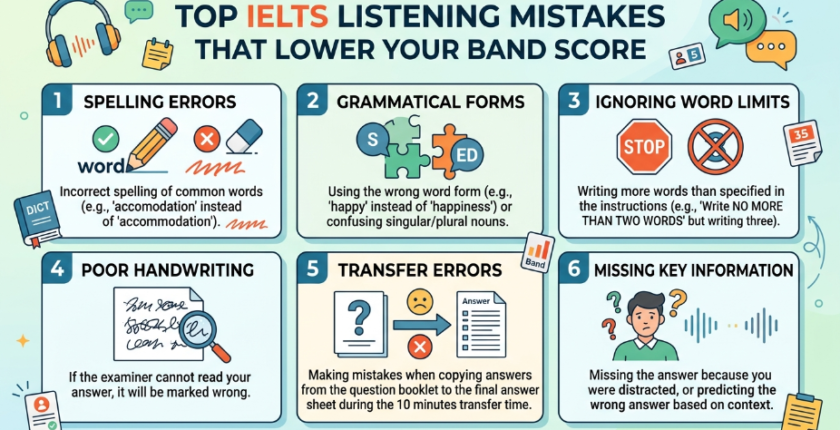
Top IELTS Listening Mistakes That Lower Your Band Score
Most students walk into the Listening module feeling the least nervous, and that’s exactly the problem. Compared to speaking or writing, Listening feels manageable you’re just sitting there, right? Then the recording starts, plays once, and doesn’t wait for anyone. A lot of genuinely strong English speakers in Pakistan still walk out having lost four or five marks to mistakes that have nothing to do with their English level at all.
This post goes through the mistakes that show up again and again, whether a student is prepping in Lahore, Karachi, or a smaller city, and exactly what to do differently. None of it requires a larger vocabulary. It just requires knowing where the marks are actually lost.

Master the IELTS Listening Test with Smart Strategies
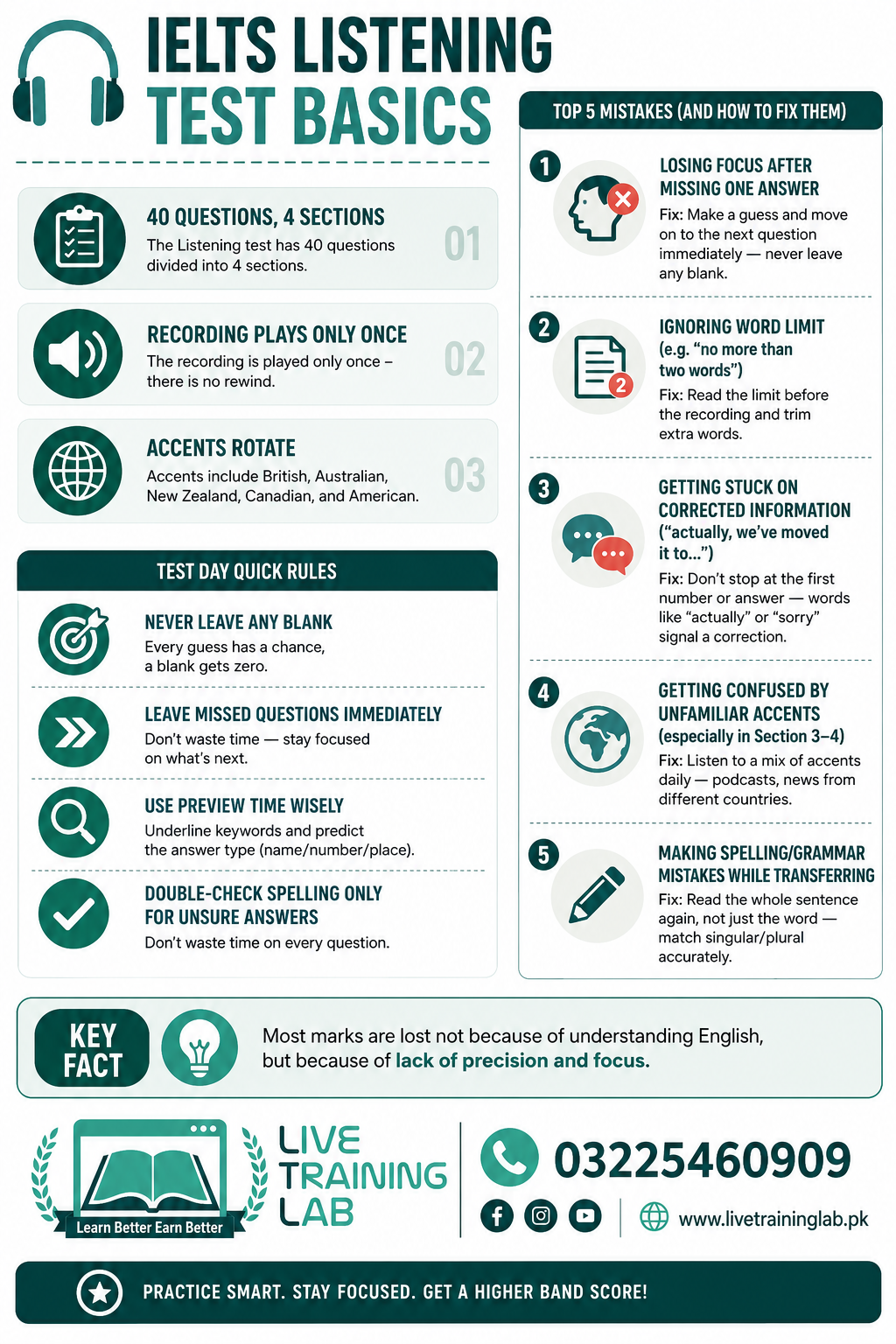
Success in the IELTS Listening test is not just about understanding English, it’s about staying focused, following instructions carefully, and avoiding simple mistakes. By practicing with different English accents, learning effective listening techniques, and reviewing your errors regularly, you can significantly improve your accuracy and confidence. Remember, a calm mind, strong concentration, and smart preparation can make the difference between an average and a high band score.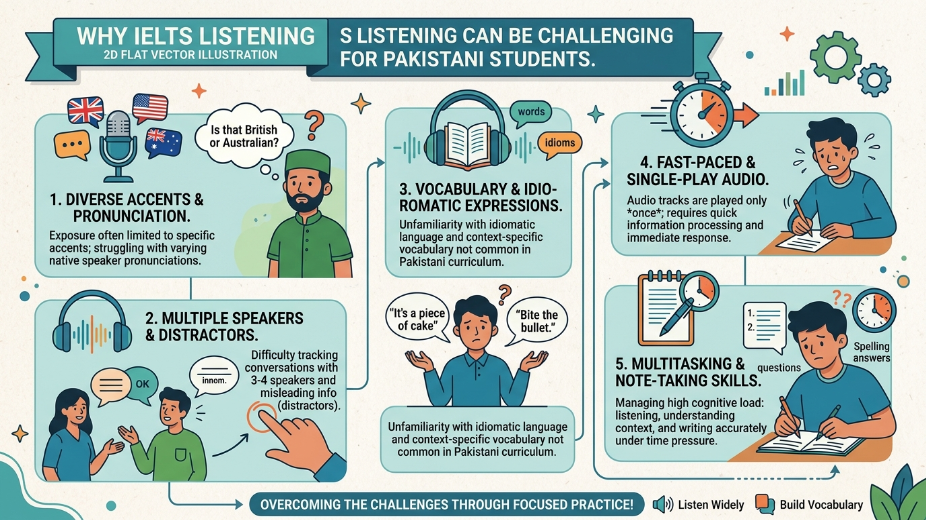
Why IELTS Listening Trips Up So Many Pakistani Students
On paper, Listening should be the most predictable module. There’s no essay to plan and no cue card to talk through. In practice, three things catch students off guard.
First, the recording plays only once. There’s no rewinding, so a moment of distraction costs you an answer permanently, not just a few seconds.
Second, most classroom English exposure in Pakistan leans toward American media or locally spoken English, while IELTS recordings rotate through British, Australian, New Zealand, and Canadian accents. A perfectly fluent speaker can still lose a second or two adjusting to an unfamiliar accent, and those seconds matter.
Third, listening is graded with real precision. Spelling counts, word limits count, and grammar in your transferred answer counts. Students who understood the audio perfectly still lose marks in the very last step: writing the answer down correctly.

The Most Common Mistakes (and How to Fix Them)
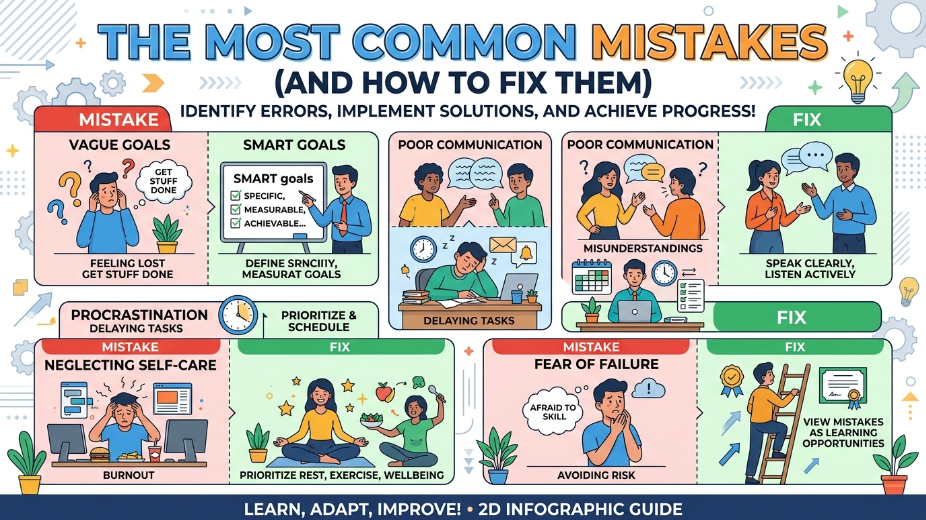
Here are the mistakes examiners and teachers see most often, along with a specific fix for each one.
Losing Focus After Missing One Answer
This is the single biggest mark-loser, and it has nothing to do with English ability. A student misses question 14, keeps thinking about what the answer might have been, and by the time they refocus, questions 15 and 16 have already played.
The fix: The moment you’re unsure of an answer, guess something reasonable and move on immediately. Train yourself to treat every question as already closed the second the next one starts. In practice, this means writing down your best guess rather than leaving a blank, since a blank guarantees zero marks while a guess at least has a chance.
Ignoring the Word Limit Instructions
Each section tells you the limit, usually something like “NO MORE THAN TWO WORDS AND/OR A NUMBER.” Writing three words when the limit is two costs you the mark, even if your answer is otherwise correct.
The fix: Read the instruction line before the recording starts, not after you’ve already written extra words out of habit. If you catch yourself going over the limit, trim your answer down to the exact word or number that’s actually necessary, rather than the full phrase you heard in the recording.
Getting Thrown Off by Changed Information
IELTS recordings love this trick: a speaker gives one piece of information, then corrects themselves. “The workshop starts at 10 AM… actually, we’ve moved it to 10:30.” Students who write down the first number they hear and stop listening miss the correction entirely.
The fix: Keep listening even after you think you’ve heard the answer, right up until the next question’s context begins. Corrections are almost always signaled by words like “actually,” “sorry,” or “on second thought” train your ear to treat these as a signal to update your answer, not ignore it.
Struggling With Unfamiliar Accents
A British or Australian accent at natural speed can make even familiar words briefly unrecognizable, especially in Sections 3 and 4, where the content also gets more academic.
The fix: Practice with a genuine mix of accents rather than only one. Rotate through different English-speaking countries’ podcasts, news broadcasts, or interviews during your prep, even just for ten minutes a day. The goal isn’t memorizing anything; it’s reducing the split-second delay your brain takes to process an accent it hasn’t heard much before, since that delay is exactly what makes you miss the next answer.
Careless Spelling and Grammar Slips During Transfer
You can hear an answer perfectly and still lose the mark by misspelling it, or by transferring a plural word as singular when the sentence clearly needs a plural.
The fix: When you copy an answer from your notes onto the answer sheet or screen, quickly reread the full sentence it belongs to, not just the word itself. If the sentence grammatically needs a plural, a verb, or a specific word form, your answer has to match that, even if the word you heard was technically correct on its own.
Smart Habits to Build Before Test Day
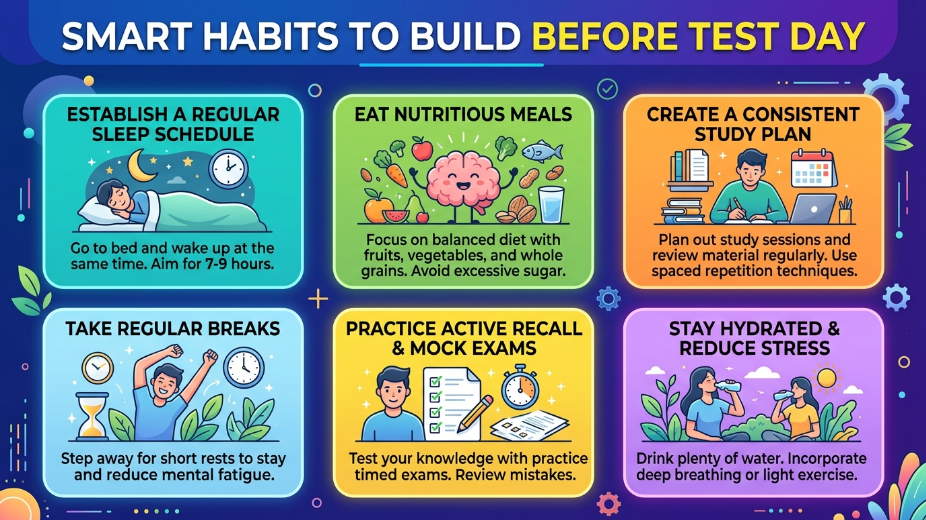
- Preview the questions during the given time. Every section gives you time before the recording starts. Use it to underline keywords and guess what type of answer you’re listening for a name, a number, a place before you hear a single word.
- Predict, don’t just listen. If a gap says “The library closes at,” you already know you’re listening for a time. That narrows what you’re paying attention to.
- Practice with full-length recordings, not short clips. Sustained concentration for 30 minutes straight is a skill on its own, separate from understanding English.
- Review your own mistakes, not just your score. After every practice test, check which specific mistake caused each wrong answer. A wrong answer from missing an accent shift needs a completely different fix than one from writing too many words.
What to Do During the Actual Test
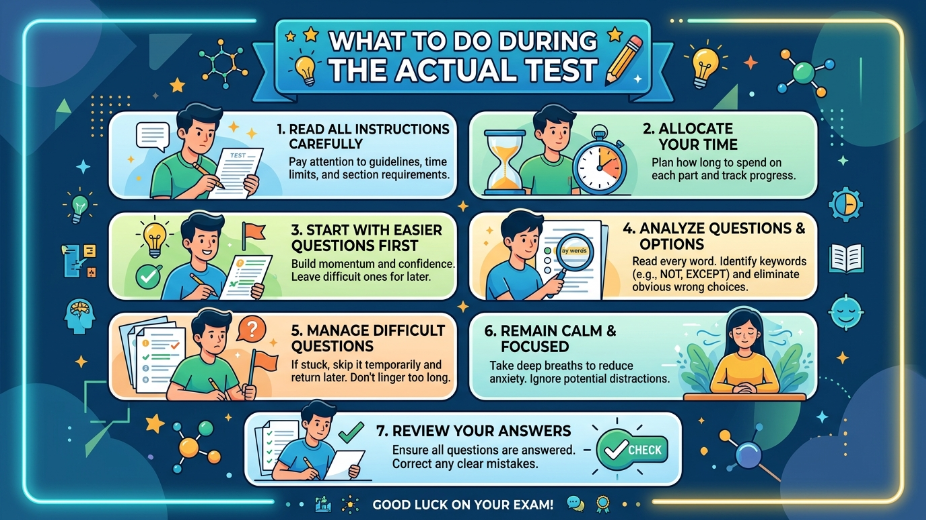
- Never leave a question blank. A guess costs nothing; a blank guarantees zero.
- If you miss one question, let it go instantly and refocus on the next line of the script.
- Use the time between sections, not just before Section 1, to preview upcoming questions.
- Double-check spelling and word limits only on questions you’re unsure about, so you don’t burn your limited review time on ones you already got right.
- If your test is computer-delivered, remember you’re typing answers as you go, so build in the habit of glancing back at your last answer before the next question starts, rather than trusting yourself to remember it accurately.
Frequently Asked Questions
Does spelling really matter in IELTS Listening?
Yes, completely. If your spelling is wrong, the answer is marked wrong, even when it’s clear you understood the recording. Both British and American spellings are generally accepted, but the word itself has to be spelled correctly.
Do I get a second chance to hear the recording?
No. The recording plays exactly once. This is precisely why staying focused after a missed question matters so much.
Which accent should I practice the most?
Don’t pick just one. IELTS recordings rotate through British, Australian, New Zealand, Canadian, and American speakers, so the safest preparation is regular exposure to a mix, rather than mastering one and ignoring the rest.
How many questions are in the IELTS Listening test?
There are 40 questions across four sections, with the difficulty and academic level increasing as the test progresses.
Is listening easier than speaking or writing?
Not necessarily; it just feels that way at first. Many students with strong spoken English still underperform in listening because the mistakes here are about precision and focus, not vocabulary or fluency.
Most of the marks lost in IELTS Listening have nothing to do with how well you actually understand English. They come down to a missed word limit, one lapse in focus, or an answer that technically works but doesn’t match the sentence grammatically. Fix those specific habits, and your score usually moves up faster here than in any other module, simply because the mistakes are so fixable once you know what to look for.
If you’d like more structured practice with English Listening and comprehension, Live Training Lab’s Spoken English course is built around exactly this kind of everyday exposure you can see what’s available at livetraininglab.pk.